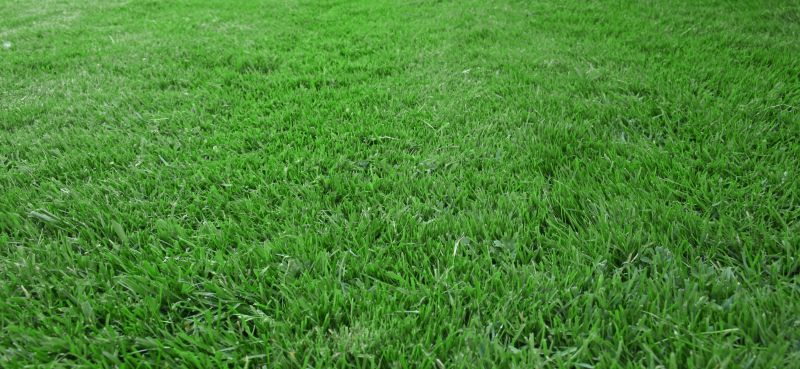
Residential Grass Seeding in Honolulu, HI
Residential grass seeding services involve planting new grass on lawns to establish a healthy, lush, and even green appearance. This service is commonly requested for projects such as repairing bare patches, enhancing overall lawn density, or preparing a yard for seasonal growth. Homeowners often want to understand the best timing for seeding, the types of grass suitable for their specific climate and soil conditions, and any preparation steps needed to ensure successful germination and growth.
Property owners typically inquire about the different grass seed options available, including those that thrive in the local environment, as well as the recommended maintenance practices after seeding. Clear communication about the process, including soil preparation, watering requirements, and potential need for ongoing care, helps ensure the lawn develops a strong root system and achieves a vibrant appearance. Understanding these factors can assist homeowners in making informed decisions to improve their outdoor space.
Many property owners in Honolulu, HI look into Residential Grass Seeding for repairs, replacements, upgrades, and appearance-related improvements.
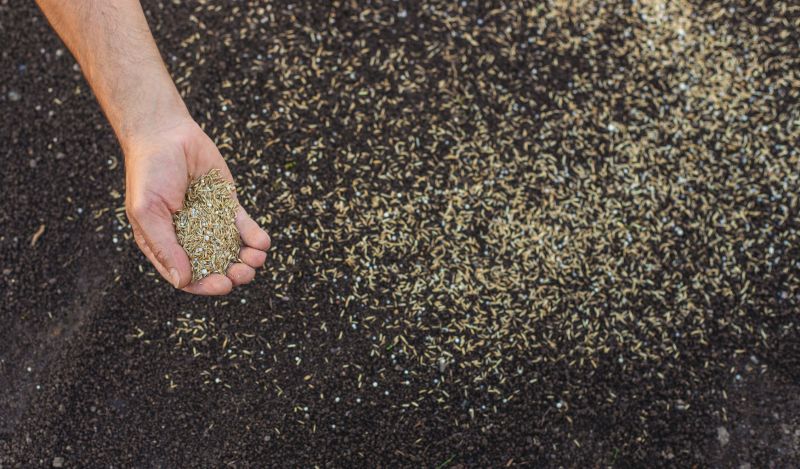
Revitalize Your Lawn
Seeding helps establish a lush, even grass cover for your yard.
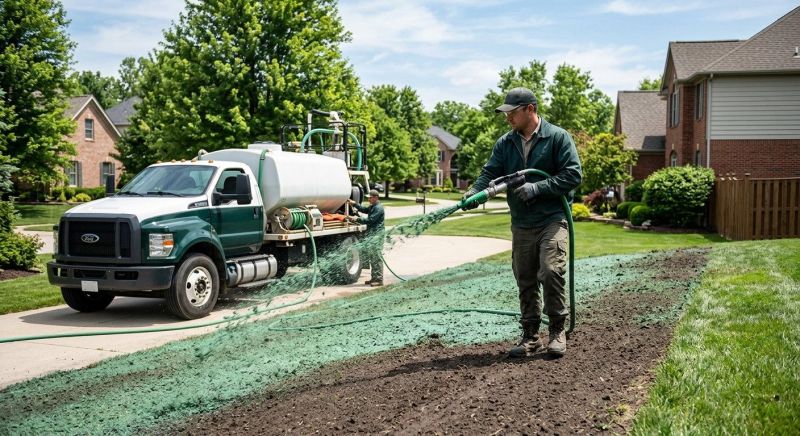
Enhance Curb Appeal
A healthy, green lawn makes your property more inviting and attractive.
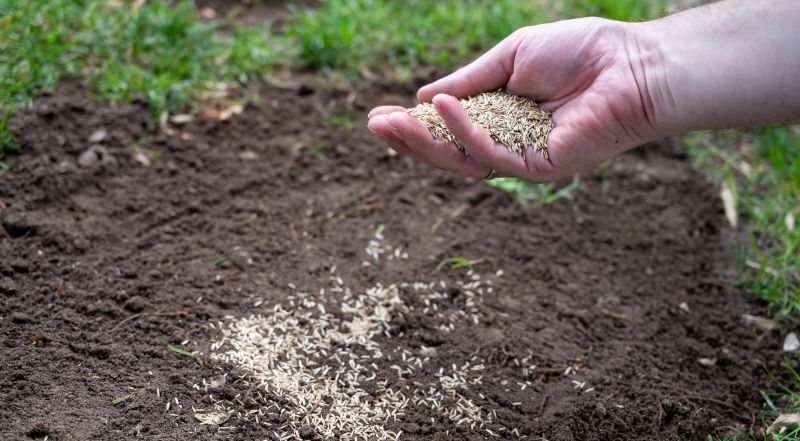
Improve Lawn Durability
Proper seeding strengthens grass roots to withstand foot traffic and weather conditions.
Residential Grass Seeding in Honolulu, HI
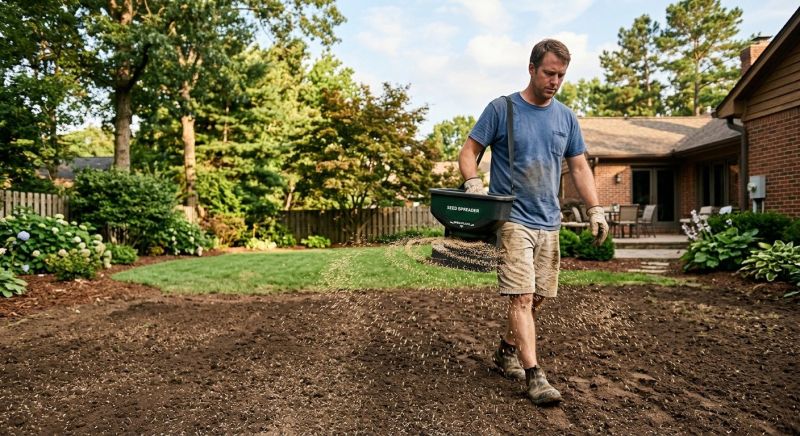
Residential grass seeding services involve planting new grass on lawns to establish a healthy, lush, and even green appearance. This service is commonly requested for projects such as repairing bare patches, enhancing overall lawn density, or preparing a yard for seasonal growth. Homeowners often want to understand the best timing for seeding, the types of grass suitable for their specific climate and soil conditions, and any preparation steps needed to ensure successful germination and growth.
Property owners typically inquire about the different grass seed options available, including those that thrive in the local environment, as well as the recommended maintenance practices after seeding. Clear communication about the process, including soil preparation, watering requirements, and potential need for ongoing care, helps ensure the lawn develops a strong root system and achieves a vibrant appearance. Understanding these factors can assist homeowners in making informed decisions to improve their outdoor space.
Many property owners in Honolulu, HI look into Residential Grass Seeding for repairs, replacements, upgrades, and appearance-related improvements.
Common Residential Grass Seeding Jobs
Residential grass seeding - helps establish a lush, healthy lawn in residential yards.
New lawn installation - provides a fresh start for properties with bare or damaged areas.
Overseeding services - enhances existing grass density and promotes a uniform appearance.
Erosion control seeding - stabilizes soil on slopes and prevents runoff in residential landscapes.
Seasonal seeding projects - prepares lawns for optimal growth during suitable planting times.
Patch repair seeding - restores damaged or thin areas for a seamless, even lawn.
Residential Grass Seeding Questions
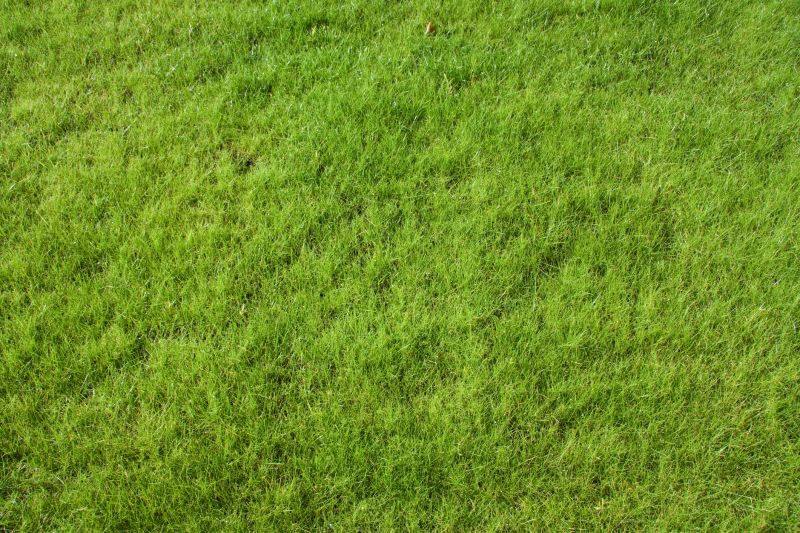
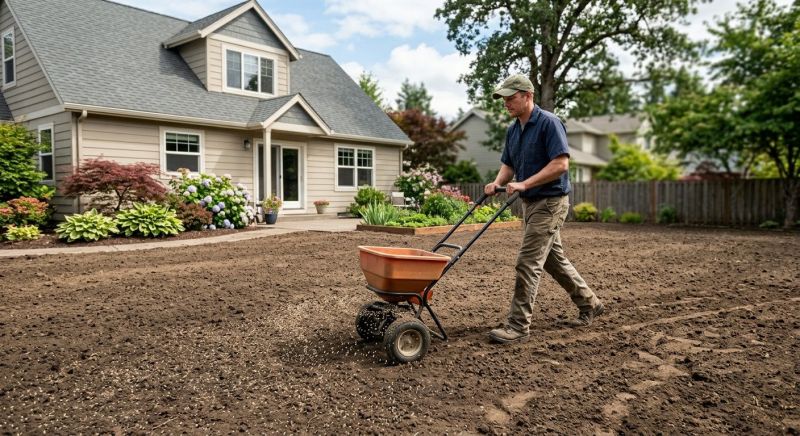
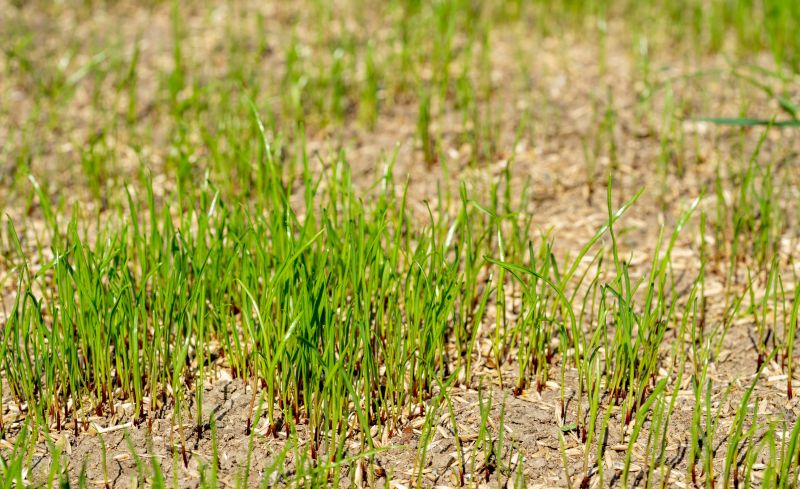
What is grass seeding used for? Grass seeding is used to establish a healthy, green lawn on bare or damaged soil areas in residential properties.
When is the best time to seed a lawn? The ideal time for seeding is during the cooler, wetter months when soil conditions support germination and growth.
What types of grass are suitable for seeding in Honolulu? Warm-season grasses like Bermuda and Zoysia are commonly used for lawns in Honolulu due to their adaptability to the climate.
How should a property be prepared before seeding? The area should be cleared of debris, soil should be loosened, and any existing weeds should be removed to promote healthy seed growth.
Request Residential Grass Seeding in Honolulu, HI
Use the quote form on this page to share the basics of your project and request more information for the type of work you need.