Poison Oak Removal in Honolulu, HI
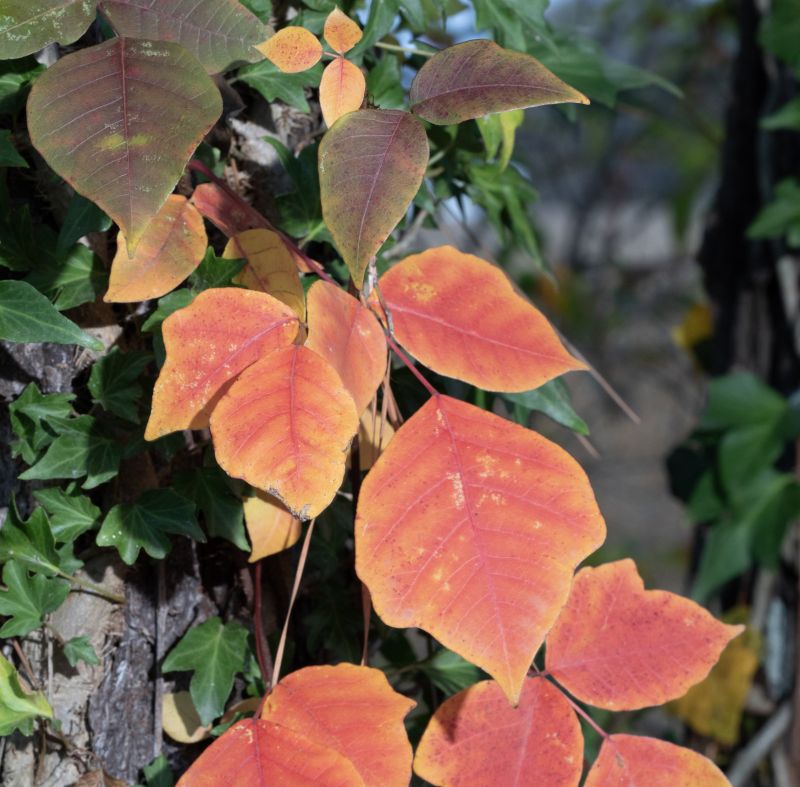
Poison oak removal services focus on safely identifying and eliminating this invasive plant from residential properties. These services typically cover a range of projects, including clearing overgrown areas, trimming shrubs, and removing poison oak from yards, gardens, or landscaped spaces. Property owners usually want to understand the extent of the infestation, the methods used for removal, and any precautions that should be taken afterward to prevent exposure or regrowth.
Before requesting poison oak removal, homeowners often seek information about the size of the affected area, the best time for removal, and whether professional assistance is recommended for safe and effective results. It’s also helpful to know if the removal process involves herbicide application or manual eradication, and what steps are taken to ensure the plant does not return. Clear communication about these aspects can help property owners make informed decisions for maintaining a safe and healthy outdoor environment.
Many property owners in Honolulu, HI look into Poison Oak Removal for repairs, replacements, upgrades, and appearance-related improvements.
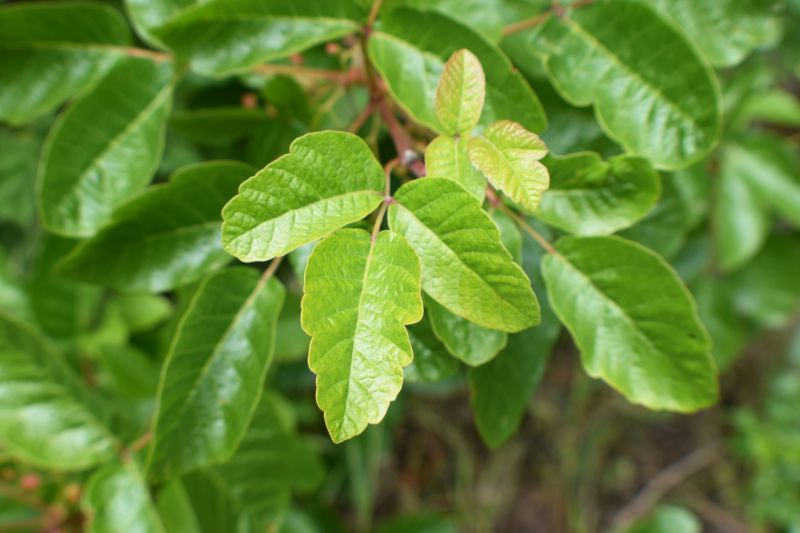
Hazardous Plant Removal
Removing poison oak helps protect outdoor spaces and family safety.
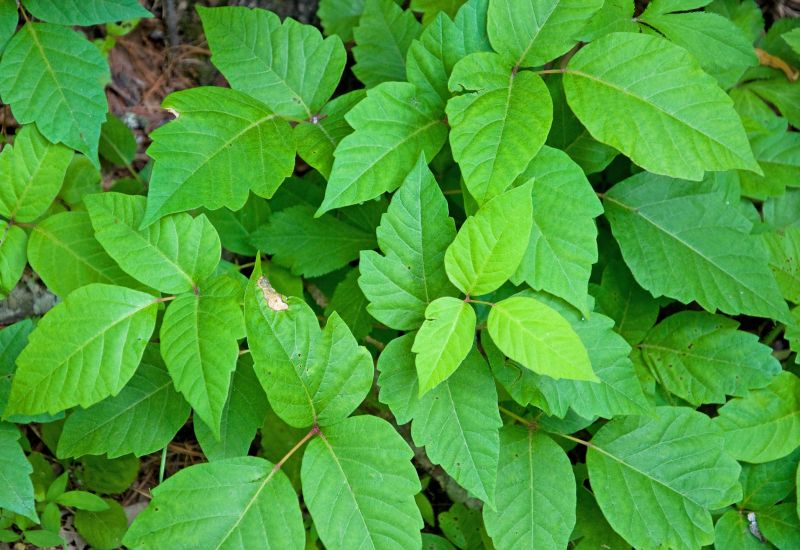
Property Safety Improvements
Effective poison oak removal reduces the risk of skin irritation and allergic reactions.
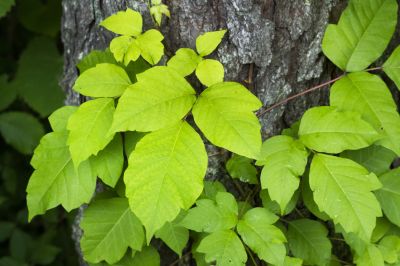
Landscaping And Maintenance
Managing poison oak growth supports healthy landscaping and outdoor enjoyment in honolulu, hi.
Poison Oak Removal in Honolulu, HI
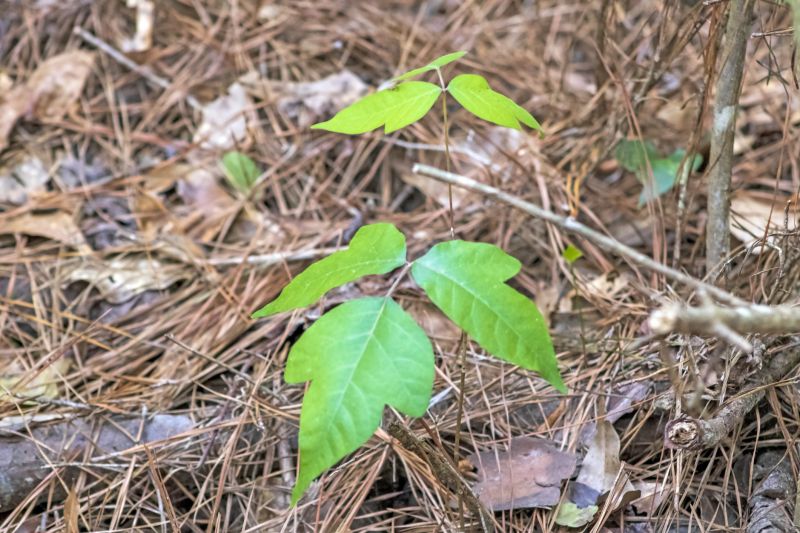
Poison oak removal services focus on safely identifying and eliminating this invasive plant from residential properties. These services typically cover a range of projects, including clearing overgrown areas, trimming shrubs, and removing poison oak from yards, gardens, or landscaped spaces. Property owners usually want to understand the extent of the infestation, the methods used for removal, and any precautions that should be taken afterward to prevent exposure or regrowth.
Before requesting poison oak removal, homeowners often seek information about the size of the affected area, the best time for removal, and whether professional assistance is recommended for safe and effective results. It’s also helpful to know if the removal process involves herbicide application or manual eradication, and what steps are taken to ensure the plant does not return. Clear communication about these aspects can help property owners make informed decisions for maintaining a safe and healthy outdoor environment.
Many property owners in Honolulu, HI look into Poison Oak Removal for repairs, replacements, upgrades, and appearance-related improvements.
Common Poison Oak Removal Jobs
Poison Oak Removal Services - specialized treatments to safely eliminate poison oak from residential and commercial properties.
Land Clearing and Thinning - clearing overgrown areas to prevent poison oak spread and improve landscape safety.
Property Maintenance - ongoing removal of poison oak to keep yards and outdoor spaces safe and accessible.
Trail and Pathway Clearing - removing poison oak along walkways to reduce health risks for pedestrians.
Fence Line and Boundary Clearing - clearing poison oak along property borders for safety and property value.
Yard and Garden Cleanup - comprehensive removal of poison oak from landscaped areas to protect plants and residents.
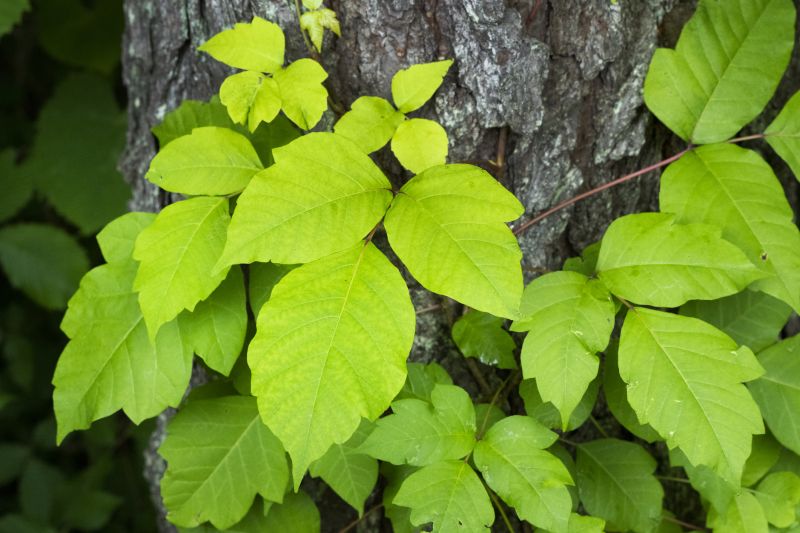
Poison Oak Removal Questions
What is poison oak removal? Poison oak removal involves safely eliminating the plant to prevent skin irritation and property exposure.
When should poison oak be removed? Removal is recommended when poison oak is present in high-traffic areas or near outdoor living spaces.
What methods are used for poison oak removal? Techniques typically include manual removal, herbicide application, and proper disposal of the plants.
Is professional removal necessary? Yes, professional removal ensures the plant is safely and effectively removed, reducing the risk of contact and regrowth.
Request Poison Oak Removal in Honolulu, HI
Use the quote form on this page to share the basics of your project and request more information for the type of work you need.